

How STAR Bonds Work and What They Mean for Wyandotte County
August 4, 2026
Major development projects often require a large upfront investment. In Kansas, one financing tool helps cities and counties move projects forward without raising property taxes. Sales Tax and Revenue Bonds, known as STAR Bonds, support large entertainment and tourism destinations that bring new visitors and new spending into the state.
Recent discussion around a proposed stadium for the Kansas City Chiefs has brought new attention to how STAR Bonds work. Understanding the basics helps residents follow these projects and take part in public discussions.
Kansas Created STAR Bonds to Fund Destination Projects
The Kansas Legislature created STAR Bonds in 1999 to support projects that attract visitors from outside the region. These projects must be more than local retail. They must serve as regional or statewide destinations.
Cities and counties use STAR Bonds to finance:
- Entertainment venues
- Tourism attractions
- Mixed-use districts tied to visitor activity
The goal is to attract new visitors, increase spending, and use that spending to pay for the project.
STAR Bonds do not apply to every development. They are reserved for large projects that can draw consistent visitor traffic and generate strong sales activity.
STAR Bonds Use New Sales Tax Revenue to Repay Debt
A STAR Bond is a type of municipal bond. A city or county issues the bond to raise funds for construction. Private investors purchase the bonds, which provide upfront capital for the project.
The repayment process works differently from traditional public financing.
A traditional STAR Bond district is created around the project area. The state sets a base level of existing sales tax revenue in that district. Any new sales tax revenue generated above that base is used to repay the bonds.
Key aspects include:
- The bonds are repaid by new sales tax revenue, not existing taxes.
- Property taxes do not increase to cover the bonds.
- Taxpayers are not responsible for repayment if projections fall short.
- A reserve fund is created to manage risk.
Most STAR Bonds must be paid off within 20 years. State law also limits how much of a project can be financed this way. STAR Bond funding must be less than 50 percent of the total project cost.
Projects Must Meet Strict Eligibility Standards
Not every proposal qualifies for STAR Bonds. The Kansas Department of Commerce reviews each project and decides if it meets state requirements.
To qualify, a project must:
- Attract visitors from outside the region.
- Generate enough sales tax to repay the bonds.
- Provide clear public benefits that exceed costs.
- Include unique features not already available in the market.
- Show long-term viability
In larger metro areas, projects must meet high financial thresholds. Many require at least $75 million in capital investment and comparable annual sales. Rural areas have more flexibility, but must still demonstrate regional or statewide impact.
Local governments must also show community support. Public meetings give residents a chance to review plans and share input before approval.
Well-Known Tourist Destinations That Have Used STAR Bonds
STAR Bonds have supported several well-known developments across the state. These projects show the range of uses and outcomes.
Examples include:
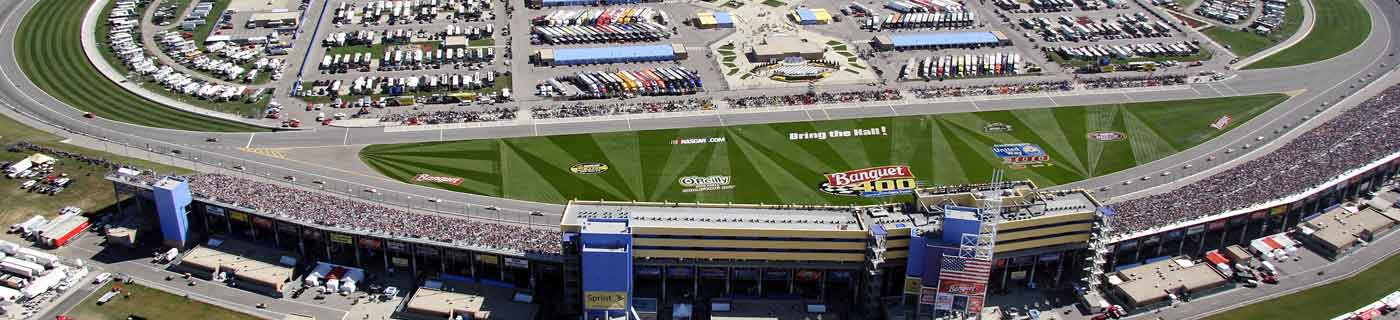
- Kansas Speedway in Kansas City, Kansas
- Children’s Mercy Park (Sporting Park)
- Boot Hill Museum
- Flint Hills Discovery Center
- Amelia Earhart Hangar Museum
- Sports of the World Complex
Each project created a defined district and relied on new visitor spending to support repayment.
These examples show why the program targets destinations, because greater visitor numbers mean more reliable revenue.
Proposed Chiefs Stadium Plan Uses Unique Version of a STAR Bond
A proposed stadium project tied to the Kansas City Chiefs could use a unique 30-year STAR Bond to finance a large development in Wyandotte County. The proposal aims to create a major entertainment and sports complex anchored by a new stadium specifically for the Chiefs.
The development will take place in Wyandotte County and the surrounding areas. A new domed stadium with at least 65,000 seats near the I-70 and I-435 interchange will be built, with an estimated cost of about $3 billion.
The public share of this phase is capped at 60 percent, or up to $1.8 billion, funded through STAR Bonds backed by new district sales tax revenue. Additionally, at least $1 billion in supporting development, including retail, hotels, housing, entertainment, and the team headquarters and practice facility, is planned.
Assuming all components are built, total public funding through STAR Bonds could reach about $2.775 billion. The Chiefs organization would pay the remaining private share and cover any cost overruns.
The structure follows standard STAR Bond rules: new sales tax revenue in the district repays the bonds, with the team covering the rest and any overruns. However, in a traditional STAR Bond district, the development pays its full property taxes.
The Chiefs STAR Bond district is unique in that the Kansas Sports Facilities Commission, a quasi-governmental agency, will own the facility, making it exempt from property taxes.
According to the Kansas City Chiefs, the agreement includes a long-term lease with the team, annual rent payments starting at $7 million, a 30-year commitment to remain in Kansas, and requirements for community investment and local hiring. However, this stadium plan is not final as it still needs approval from the state legislature, finalized contracts with the team, and formal consent from the NFL before construction can begin.
Contact Wyandotte Economic Development Council to Learn More
Wyandotte County residents and business leaders can take part in discussions about STAR Bond projects. Public input plays a role in project approval and long-term planning.
Contact the Wyandotte Economic Development Council to:
- Ask questions about STAR Bonds.
- Learn about current and proposed projects.
- Share feedback during public review periods.
Staying informed helps the community evaluate how these projects affect growth, tax structure, and long-term development.